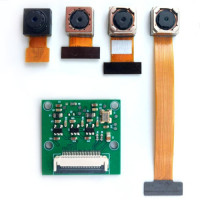
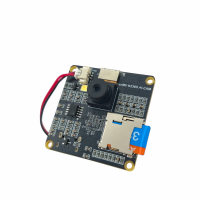
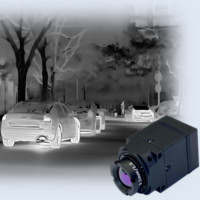
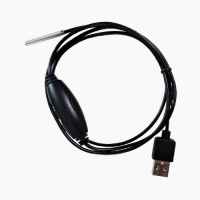
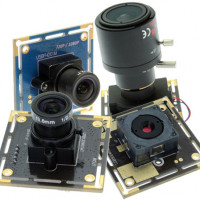
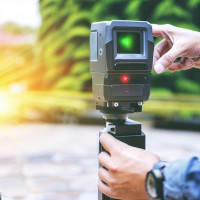
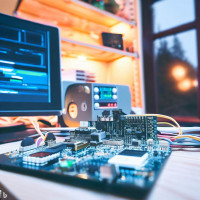
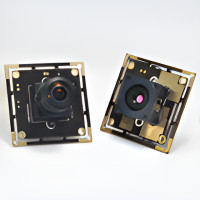
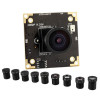
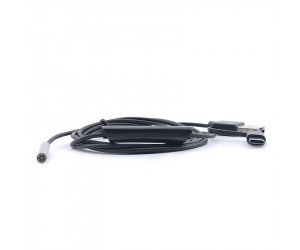
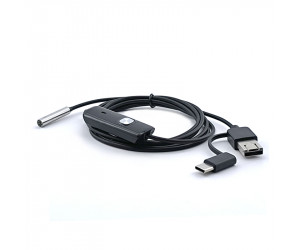
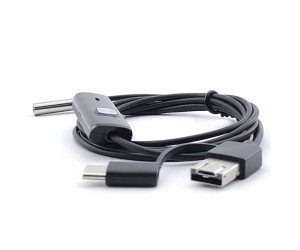
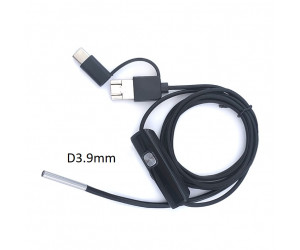
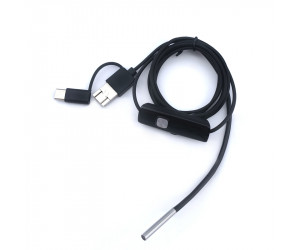
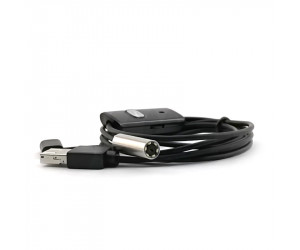
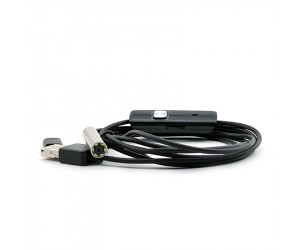
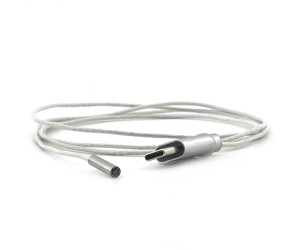
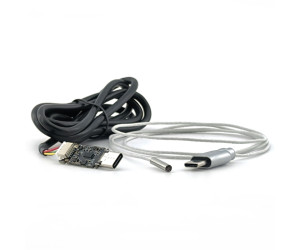
This series of industrial endoscope camera modules are high-integration USB imaging solutions equipped with high-quality CMOS sensors. They can be easily connected to PCs or embedded systems (such as ARM-based platforms, Raspberry Pi, Odroid, etc.) via a standard USB interface without requiring any additional drivers, enabling quick and seamless setup.
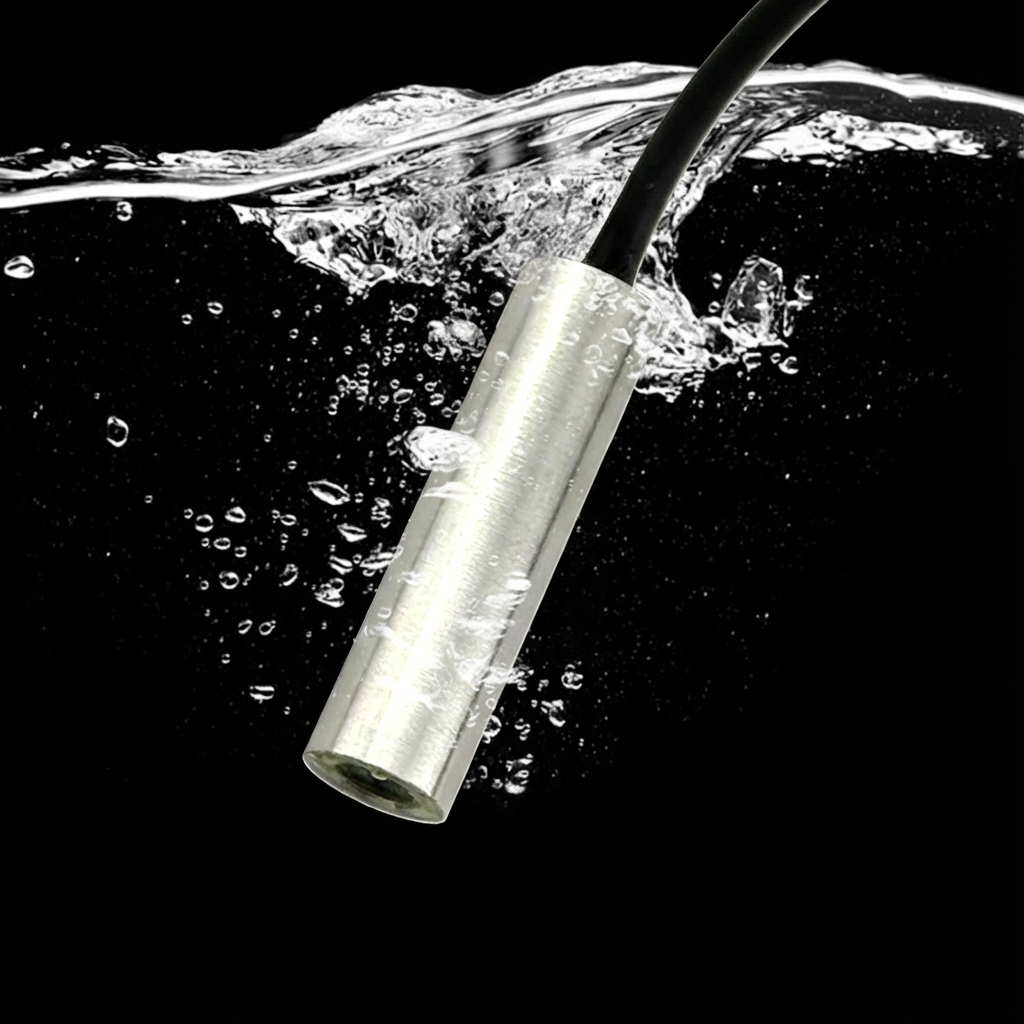
An endoscope camera for industrial use is ideal for non-destructive visual testing, especially in environments that are difficult to access with the naked eye—such as pipelines, enclosed equipment, and narrow spaces. Supporting an IP67 waterproof rating, this series ensures reliable real-time, high-resolution imaging in harsh and demanding environments.
Structural Components
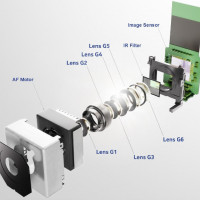
IADIY industrial endoscope camera module is composed of the following three main components:
1. Image Sensor
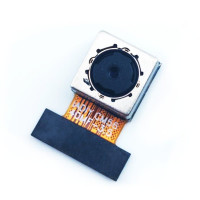
The image sensor determines key image characteristics, including resolution, frame rate, signal-to-noise ratio (SNR), and dynamic range.
2. Camera Lens Module + LED Lighting
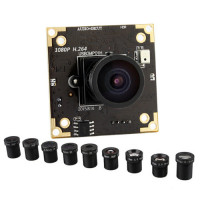
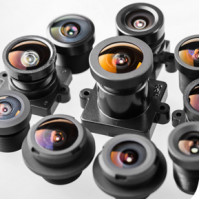
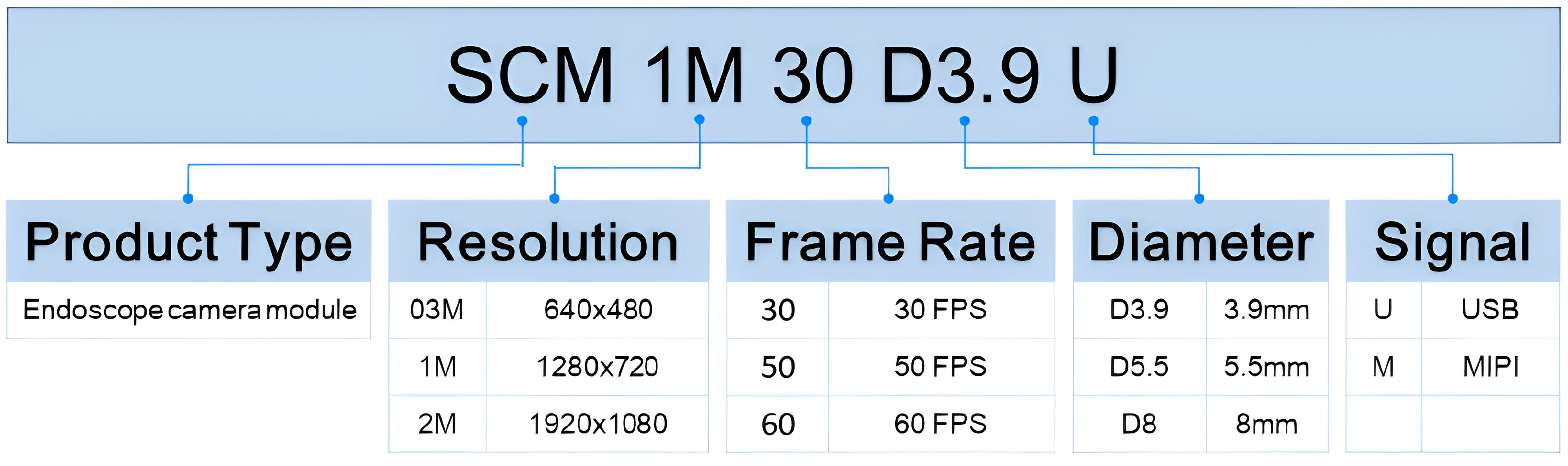
Available in various configurations (diameter, FOV, focal length). An integrated endoscope camera with light (adjustable LEDs) enhances visibility in pitch-black environments.
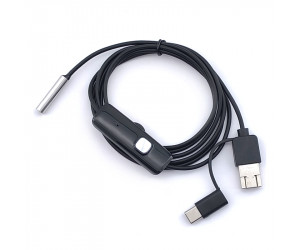
3. Cable + LED Light Adjustment
Supports standard UVC protocol for driverless plug-and-play across Windows, Linux, and Android. Features an inline LED brightness controller.
What is an Industrial Endoscope and How Does It Work?
An industrial endoscope, commonly known as a borescope, is a specialized imaging device designed to inspect confined spaces and cavities that are otherwise inaccessible. It consists of a flexible or rigid probe equipped with a tiny camera coupled with an illumination source. By utilizing advanced optics and a lens system that focuses the digital image onto a high-definition sensor, it transmits real-time video to a display screen, eliminating the need for costly machinery disassembly.
Key Specifications to Consider
Selecting the appropriate inspection camera depends heavily on your technical requirements:
- Probe Diameter & Length: Smaller diameters are essential for extremely tight cavities, while cable length must match your inspection depth.
- Flexible vs. Rigid Probe: Flexible endoscopes provide maximum maneuverability around sharp corners and pipe bends (ideal for plumbing/HVAC). Rigid borescopes offer perfectly stable, straight-line visual precision.
- Resolution & Image Quality: HD resolution (such as 1080p or higher) is critical for precision testing, allowing operators to detect micro-faults and hairline cracks.
- Digital UVC vs. Analog: Modern digital USB modules offer superior clarity, advanced image processing, and cross-platform convenience over legacy analog systems.
Best Applications for Endoscope Inspection
- Plumbing & HVAC Systems: Inspecting pipes for clogs, leaks, or structural wear without invasive teardowns, and checking ventilation ductwork.
- Manufacturing & Maintenance: High-precision quality assurance checks of machinery inner walls to prevent catastrophic operational failures.
- Automotive Industries: Examining engine cylinders, valves, and intricate components directly through spark plug entries for rapid diagnostics.