
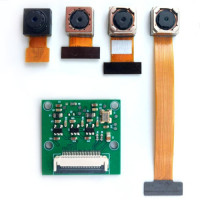
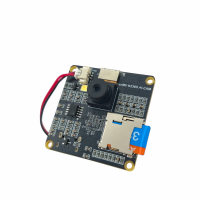
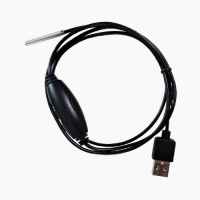



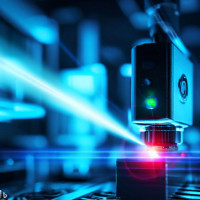

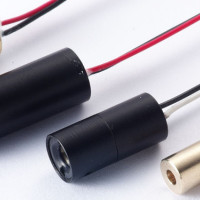


Camera Modules: The Eyes of AI

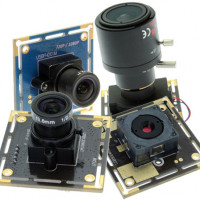
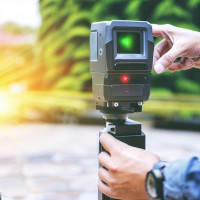
Camera modules are compact devices that capture visual information and convert it into electronic data streams. They are essential components across a vast spectrum of hardware, ranging from smartphones and consumer electronics to heavy industrial automation machinery. With the explosive rise of edge artificial intelligence (Edge AI), camera modules have evolved far beyond passive recording tools: they now serve as the active eyes of AI, enabling machines to see, categorize, and interpret the physical world in real time.
This technical guide explores the fundamental meaning and purpose of a camera module, breaks down its core hardware components, evaluates the role of onboard AI acceleration, and provides engineering criteria for selecting automation camera modules across diverse industries.
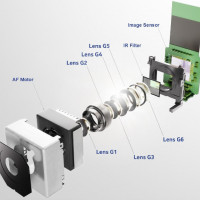
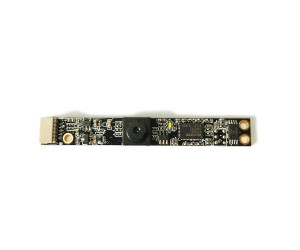
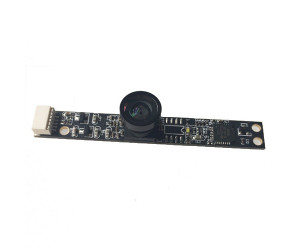
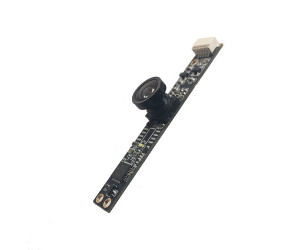
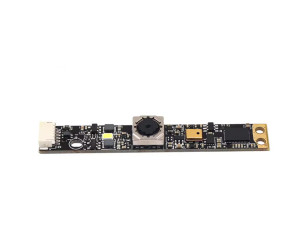
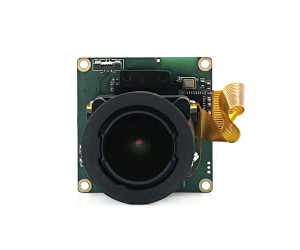
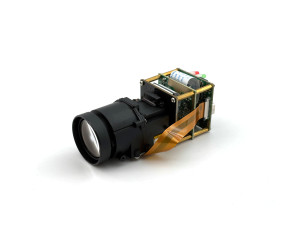
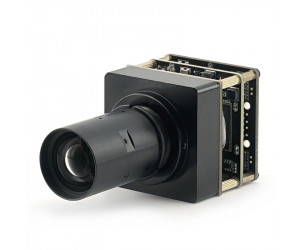
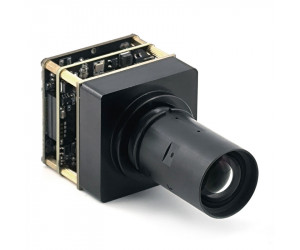
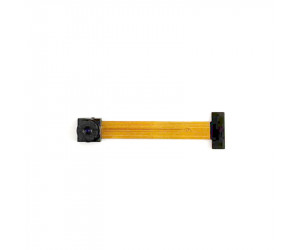
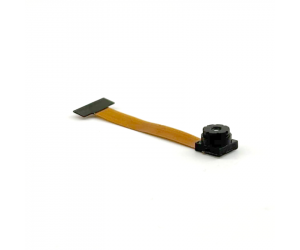
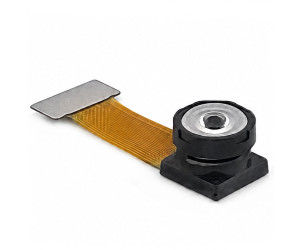
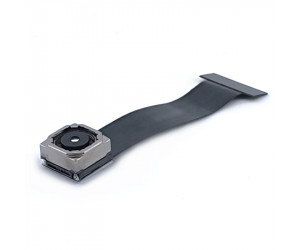
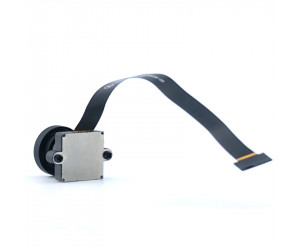
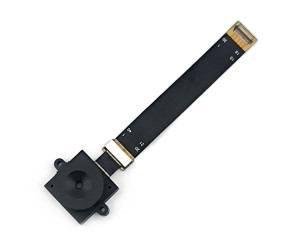
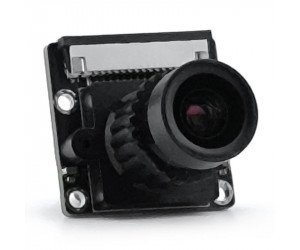
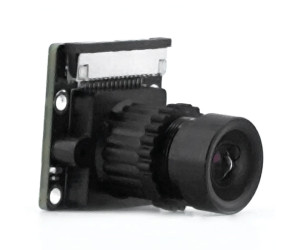
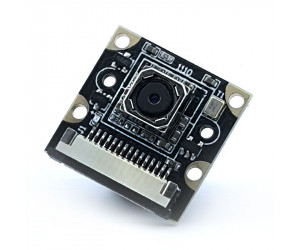
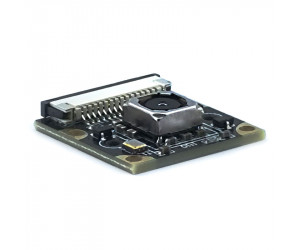
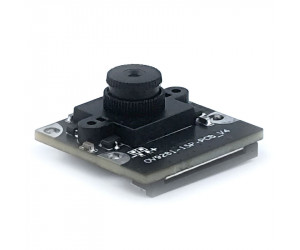
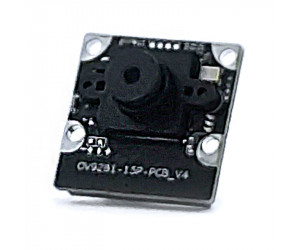
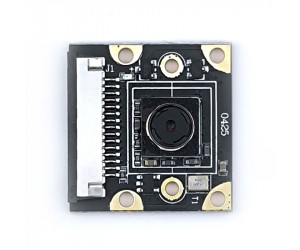
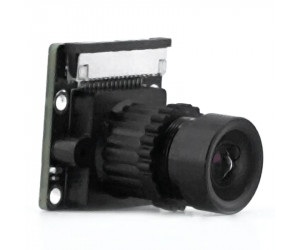
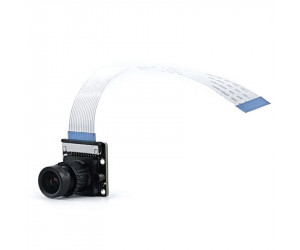
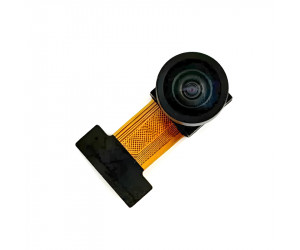
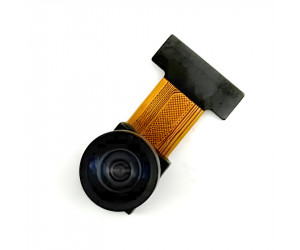
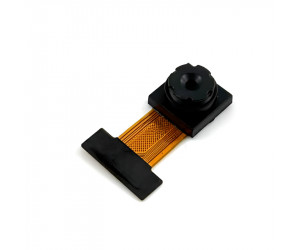
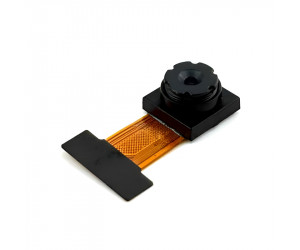
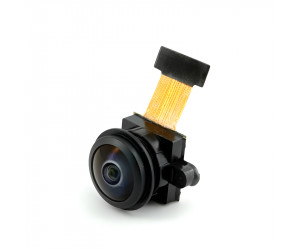
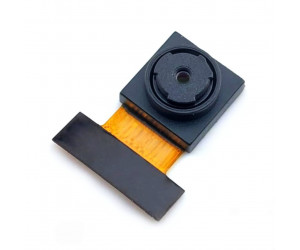
Quick answer: What is a camera module, and what is its purpose? The camera module meaning refers to a self-contained, miniaturized imaging subassembly that integrates an optical lens, a camera sensor module (typically a CMOS image sensor), a flexible circuit board, and an image signal processor (ISP). The primary purpose of a camera module is to capture incoming light from a scene, convert photon energy into digital electronic signals, and output structured video or image data to an embedded host processor. In modern AI camera devices, the module frequently incorporates on-device neural processing units (NPUs) to perform real-time facial recognition, object detection, and automated visual inspection directly at the edge.

What Is a Camera Module and What Is Its Purpose?
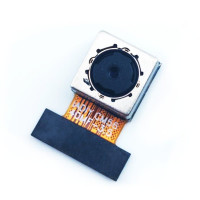
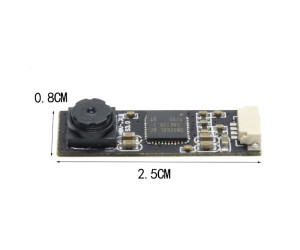
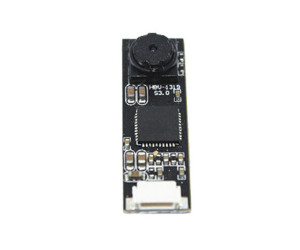
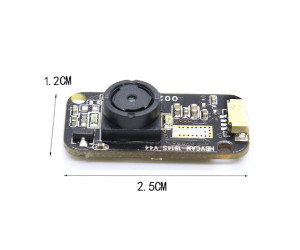
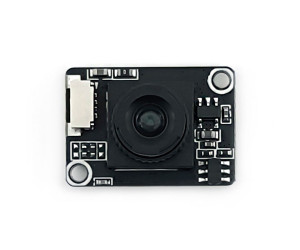
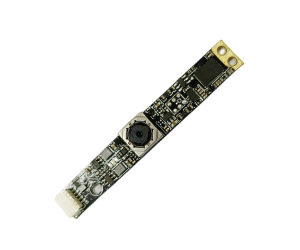
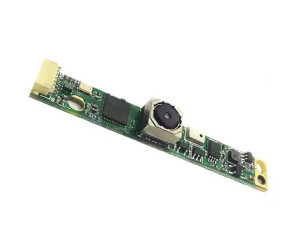
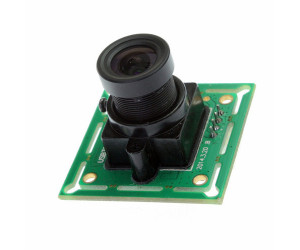
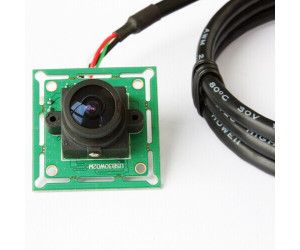
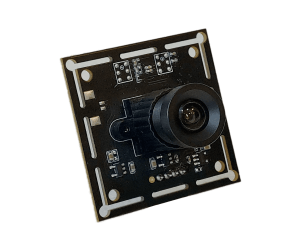
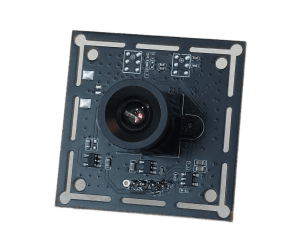
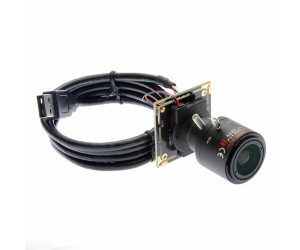
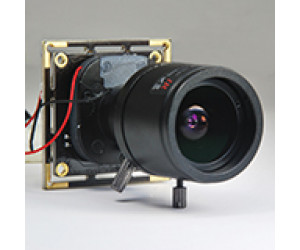
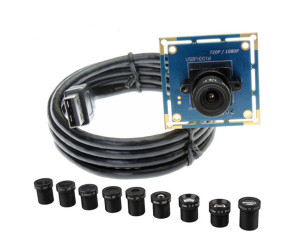
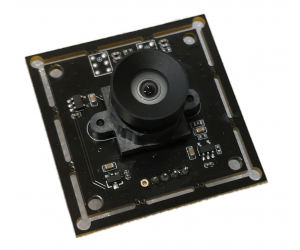
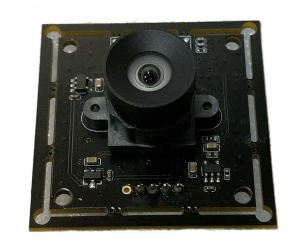
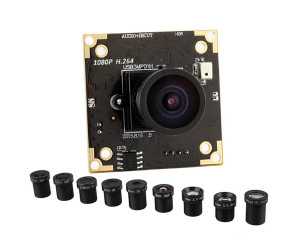
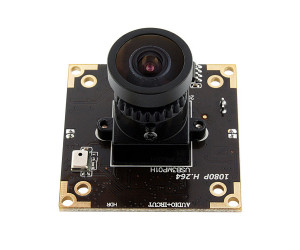
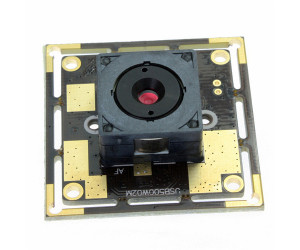
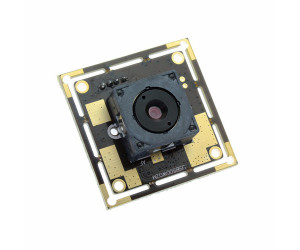
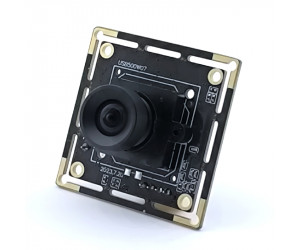
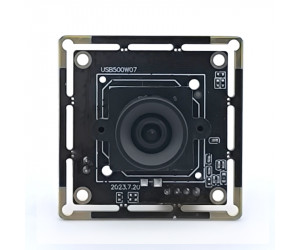
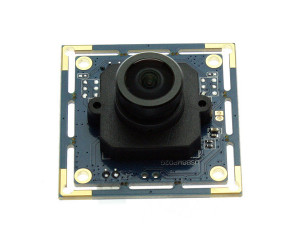
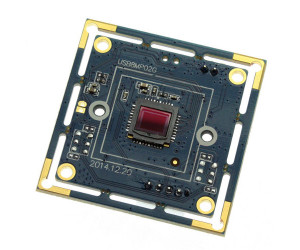
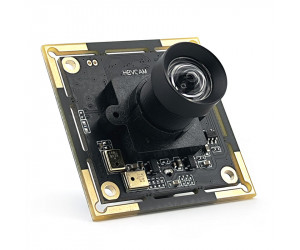
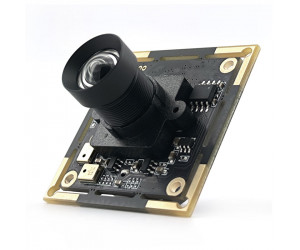
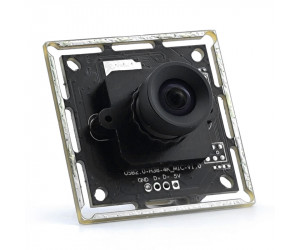
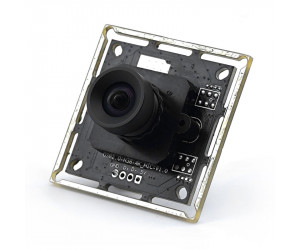
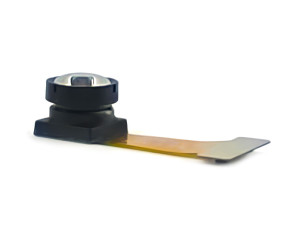
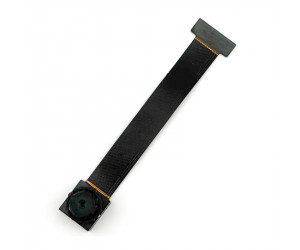
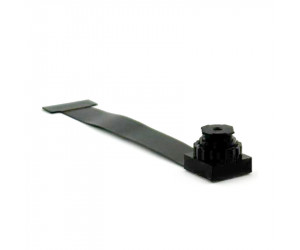
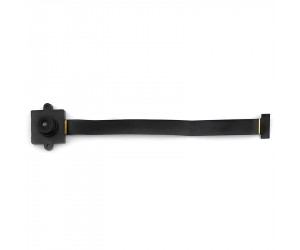
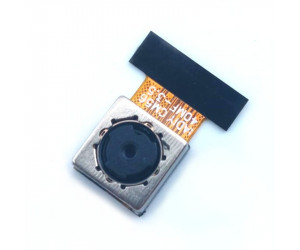
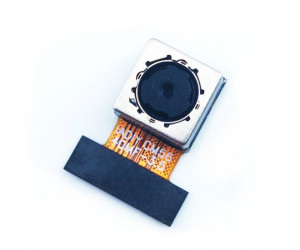
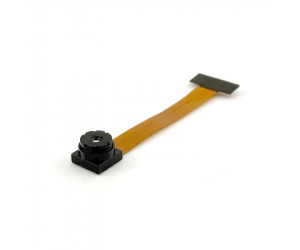
At its core, a camera module is an integrated optoelectronic unit designed to bridge the gap between optical physics and digital computing. While standalone cameras come enclosed in complete consumer-facing housings with user interfaces and batteries, an embedded camera module is engineered specifically for integration into a host system—such as an automated guided vehicle (AGV), a smart kiosk, an inspection robot, or an IoT appliance.
The principal purpose of an automation camera module is to provide continuous, high-fidelity visual input for downstream processing. In traditional setups, this meant feeding video to an operator screen or storage medium. Today, the purpose has pivoted toward machine perception: feeding calibrated, low-latency pixel data to machine learning models that execute autonomous navigation, defect verification, barcode decoding, and biometrics without human intervention.
Core Components of a Camera Module Architecture
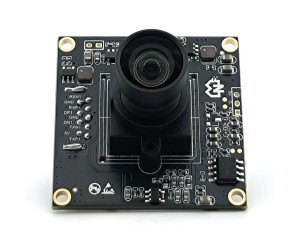
A high-performance camera sensor module relies on several tightly coupled optomechanical and electronic building blocks:
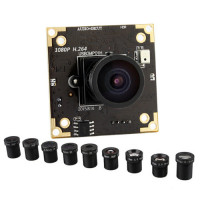
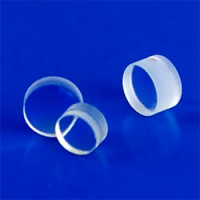
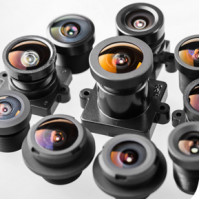
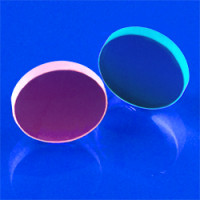
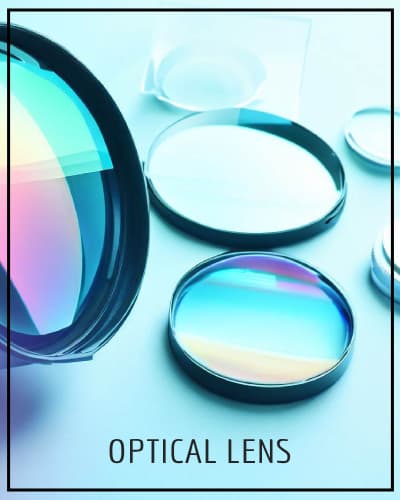
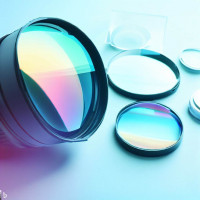
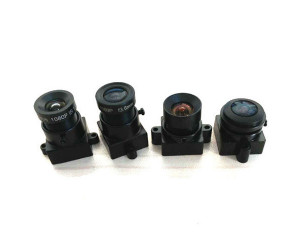
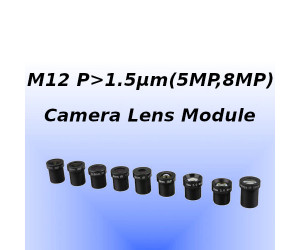
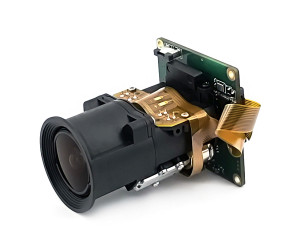
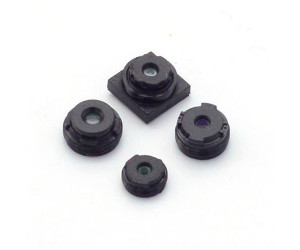
- Optical Lens Assembly: Gathers ambient light and focuses it precisely onto the photosensitive area of the sensor. Depending on the optical working distance and field of view (FOV), modules utilize fixed-focus (M12 / S-mount), autofocus (VCM voice coil motors or liquid lenses), or optical zoom configurations with specialized infrared-cut (IR-cut) filters.
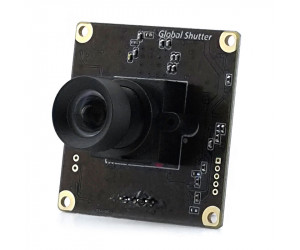
- CMOS Image Sensor (CIS): The heart of the module. Consisting of a two-dimensional grid of photodiodes, the sensor converts absorbed photons into analog voltage signals. Sensors are categorized by shutter mechanism—Global Shutter (essential for fast-moving industrial automation to prevent motion blur) versus Rolling Shutter (common for high-resolution static photography).
- Image Signal Processor (ISP): Executes low-level computational photography pipelines, including demosaicing (Bayer conversion), auto-exposure (AE), auto-white balance (AWB), bad pixel correction, lens shading compensation, and wide dynamic range (WDR) tone mapping.
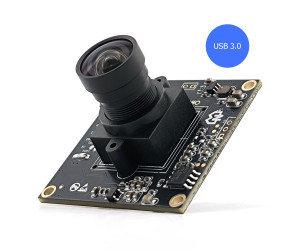
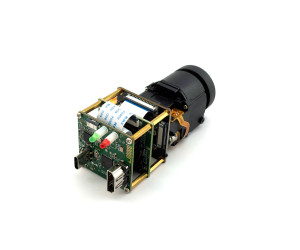
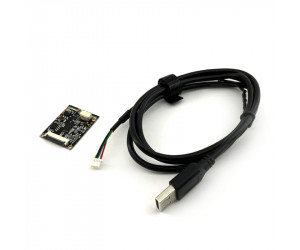
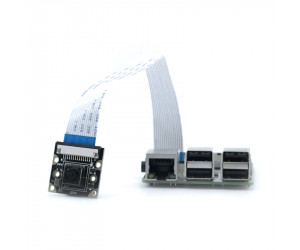
- Interconnects & Physical Interfaces: Routes processed digital streams to the host processor. Common embedded standards include MIPI CSI-2 (high throughput, ultra-low latency for embedded SoCs), USB 3.0 / UVC (plug-and-play versatility for IPCs and edge PCs), and GMSL / FPD-Link (coaxial serializer/deserializer protocols for long-distance automotive and robotic routing up to 15 meters).
| Component | Primary Engineering Function | Key Selection Criteria |
| Optical Lens | Focuses optical rays and defines focal length, distortion, and FOV. | Aperture (f-number), CRA (Chief Ray Angle matching), M12 thread, IR-cut filter. |
| Image Sensor | Photoelectric conversion of photons into digital pixel data. | Pixel size (µm), dynamic range (dB), Global vs. Rolling shutter, low-light SNR. |
| ISP Engine | Pixel-level correction, color grading, HDR, and noise reduction. | On-sensor integrated vs. external discrete ISP, raw Bayer output, WDR capability. |
| Hardware Interface | High-speed transmission of frame data to the host CPU/NPU. | MIPI CSI-2 lane count, USB 3.0 UVC compliance, GMSL2 serialized transmission distance. |
The Role of Edge AI in Enhancing Camera Modules
Historically, camera modules acted as dumb sensory inputs, streaming raw pixels over high-bandwidth buses to centralized servers for computing. This model creates severe bottlenecks in transmission latency, cloud bandwidth costs, and network reliability. The advent of modern AI camera modules shifts cognitive inference directly to the embedded edge.

By pairing optimized CMOS sensors with dedicated low-power neural network accelerators (NPUs) or system-on-modules (SoMs), an AI camera device performs sophisticated vision tasks autonomously:
- Real-Time Object Detection & Tracking: Leveraging optimized convolutional neural networks (such as YOLO or MobileNet), the camera recognizes and tracks discrete objects (pedestrians, vehicles, tools, pallets) at high frame rates (30–60 fps) with minimal power draw.
- Facial Recognition & Biometrics: Executes on-device feature extraction and vector matching for secure access control, smart locks, and kiosk authentication without transmitting sensitive biometric data across external networks.
- Defect Classification & Anomaly Detection: In smart manufacturing, AI vision modules identify structural micro-fractures, misaligned solder joints, or packaging flaws at sub-millimeter scales, outpacing human inspection speeds.
Applications of Camera Modules Across Industries
The versatility of specialized camera sensor modules makes them indispensable across mission-critical sectors:

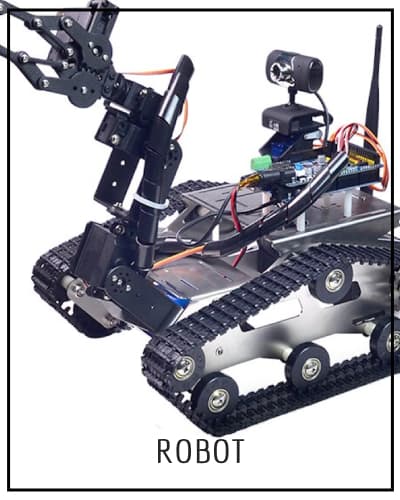
- Industrial Automation & Robotics: Automation camera modules serve as vision guidance systems for robotic arms (pick-and-place), optical character recognition (OCR) on sorting conveyors, and autonomous optical inspection (AOI) on PCB assembly lines. Global shutter sensors eliminate motion distortion during rapid line movement.
- Automotive ADAS & Autonomous Mobility: Advanced Driver Assistance Systems (ADAS) depend on surround-view camera modules for lane departure warnings, autonomous emergency braking (AEB), driver monitoring systems (DMS), and blind-spot detection under extreme automotive temperature grades (-40°C to +105°C).
- Medical Imaging & Diagnostics: Ultra-miniature camera sensor modules integrated into disposable endoscopes, laparoscopes, and diagnostic dental cameras provide high-definition internal visualization while adhering to strict biocompatibility and sterilization standards.
- Smart Security & Perimeter Defense: AI-powered surveillance modules feature low-light starlight sensors and onboard edge inference, enabling automated perimeter tripwire triggers and license plate recognition (ANPR) without server-side latency.
- Smartphones & Consumer Wearables: Multi-camera array architectures combining telephoto, ultra-wide, and time-of-flight (ToF) modules deliver computational portrait modes, depth mapping, and augmented reality (AR) tracking.
Engineering Challenges and Future Technological Trends
Deploying reliable camera modules into commercial and industrial hardware involves addressing key physical and computational hurdles:
- Low-Light Sensitivity & High Dynamic Range (HDR): Standard sensors struggle in scenes containing extreme shadows and glare. Future trends leverage back-illuminated (BSI) pixel architectures, quad-pixel binning, and multi-exposure HDR algorithms to capture details exceeding 120 dB of dynamic range.
- Thermal Management & Power Envelope: Continuous high-speed image processing and onboard AI inference generate substantial heat within compact enclosures. Engineering effective conductive heat dissipation paths is critical to prevent thermal throttling and sensor dark current noise.
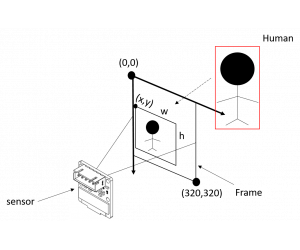
- Edge Privacy & Data Security: By performing AI inference directly on the camera module's local processor and discarding raw visual video streams—transmitting only metadata coordinates or classification flags—embedded vision architectures protect user privacy and comply with global data regulations (such as GDPR).
- Neuromorphic & Event-Based Vision: Emerging bio-inspired event sensors transmit only pixel-level intensity changes rather than full frames, achieving microsecond-level latency and sub-milliwatt power consumption for extreme high-speed automation.
Camera Module Selection Checklist
- Moving Targets or High-Speed Production? Specify a Global Shutter camera sensor module to eliminate rolling shutter jello effects and motion artifacts.
- Long Transmission Distance (>3 meters)? Avoid standard USB or MIPI ribbon cables; deploy serialized GMSL2 or FPD-Link III modules over automotive coaxial cables.
- Challenging Lighting (Direct Sun & Shadows)? Ensure the sensor supports true hardware WDR / HDR (>100 dB) rather than software contrast stretching.
- Edge AI Deployment? Choose an integrated module featuring onboard ISP/NPU hardware or verified V4L2 Linux drivers compatible with NVIDIA Jetson or NXP i.MX8 platforms.
Frequently Asked Questions (FAQ)
What is a camera module, in simple terms?
A camera module is a compact electronic unit containing an optical lens, an image sensor, and supporting circuitry that captures light and converts it into a digital video or image stream for an embedded host system to process.
What is an AI camera module?
An AI camera module is an intelligent imaging device that combines a standard camera sensor with onboard neural processing capabilities. It runs computer vision models directly on the device to perform real-time tasks like facial recognition, object detection, and behavioral analysis without relying on external servers.
What is the difference between a rolling shutter and a global shutter camera sensor?
A rolling shutter sensor exposes pixel rows sequentially from top to bottom, which can cause geometric distortion (the "jello effect") when capturing fast-moving objects. A global shutter sensor exposes all pixels simultaneously, capturing distortion-free snapshots essential for industrial automation and high-speed robotics.
What is the purpose of an automation camera module?
In factory automation, an automation camera module provides machine vision feedback. It inspects product dimensions, verifies assembly alignment, detects cosmetic defects, and guides robotic arms for precision pick-and-place operations at speeds beyond human capability.
What are the most common interfaces for embedded camera modules?
The three most common embedded interfaces are MIPI CSI-2 (ideal for compact, low-latency mobile and SoC integration), USB 3.0 / UVC (standard for plug-and-play IPCs and edge PCs), and GMSL / FPD-Link (designed for high-reliability, long-distance automotive and robotic video links).
Can camera modules operate in zero-light or low-light conditions?
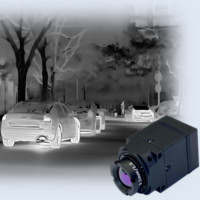
Standard visible camera modules require ambient illumination. However, specialized camera modules equipped with high-sensitivity back-illuminated (BSI) starlight sensors, active near-infrared (NIR) illuminators with switchable IR-cut filters, or thermal LWIR sensors can operate in complete darkness.
Custom Vision & Camera Module Integration: IADIY JDM Engineering
Designing a vision-enabled embedded product requires resolving complex optomechanical challenges—from lens barrel tolerance and CRA matching to high-speed differential signal integrity and driver bring-up. IADIY provides Joint Development Manufacturing (JDM) and OEM engineering services for custom camera module solutions:
- Optomechanical Design & Barrel Customization: Customizing optical lens mounts (M12, M8, C/CS), optical filters (dual-band IR-cut, narrow bandpass), and IP67-rated waterproof housings.
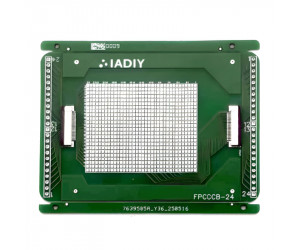
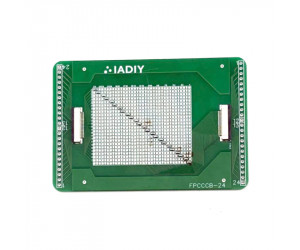
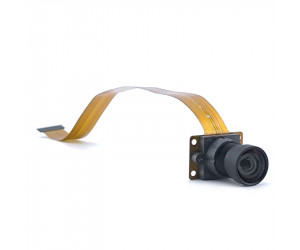
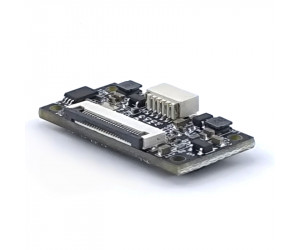
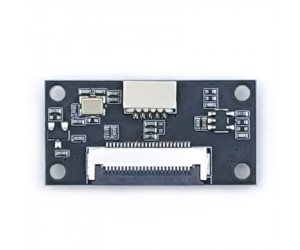
- Sensor Matching & Electronic Hardware: Integrating leading CMOS sensors (Sony, ON Semi, Omnivision) with custom FPC flex cables, MIPI CSI-2 bridge boards, and USB 3.0 controllers.
- ISP Image Tuning & V4L2 Driver Support: Fine-tuning color calibration matrices, auto-exposure, and HDR synthesis for target operating environments, along with Linux V4L2 driver development for NVIDIA Jetson, Raspberry Pi, and Rockchip platforms.
- Multi-Sensor Fusion: Integrating optical camera modules with structured-light depth sensors, LiDAR, and thermal imaging modules for advanced robotic spatial awareness.
Whether you need a compact global-shutter module for high-speed inspection or an edge AI smart vision camera, our engineering team supports your project from optical simulation through volume production.
Developing an embedded vision product or custom camera module? Let's discuss your optical and interface specifications.
Consult With Our Vision Engineers →Conclusion
Camera modules have transitioned from passive recording components into the vital perceptual foundation of artificial intelligence. By integrating precision optical lenses, advanced CMOS sensor architectures, and edge computing engines, camera modules enable machines to navigate, inspect, and analyze complex physical environments with remarkable accuracy. As sensor technologies continue to embrace global shutters, ultra-high dynamic range, and on-die AI processing, selecting the right camera module architecture remains the critical first step toward building successful embedded vision systems.
You can also explore our full range of camera modules, AI camera modules, and specialized optoelectronic manufacturing & JDM engineering capabilities.
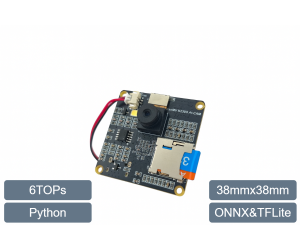




-300x250h.jpg "DVP Camera Module 3M – DCM3M120M7")
Leave a Comment